Interview writing presents a slightly different voice challenge.
When the words aren’t mine to begin with, my job is to listen carefully, identify what makes someone’s way of speaking distinctive, and turn a conversation into a compelling piece of editorial without sanding away the personality that made the interview worth reading.
That means making decisions about what to keep, what to cut, what needs context, and where the interviewee’s own words should carry the story.
The result should feel polished enough to be published, but still recognisably belong to the person being interviewed.
From conversation to story
Every interview presents a different editorial problem.
A young sailor might tell a story in a completely different way from a professional yacht owner. A technical expert may provide excellent information without naturally presenting it in a reader-friendly structure. A charismatic entrepreneur might give you enough material for five articles when you need one.
The job isn’t simply to transcribe the conversation. It’s to find the story inside it.
Selected work
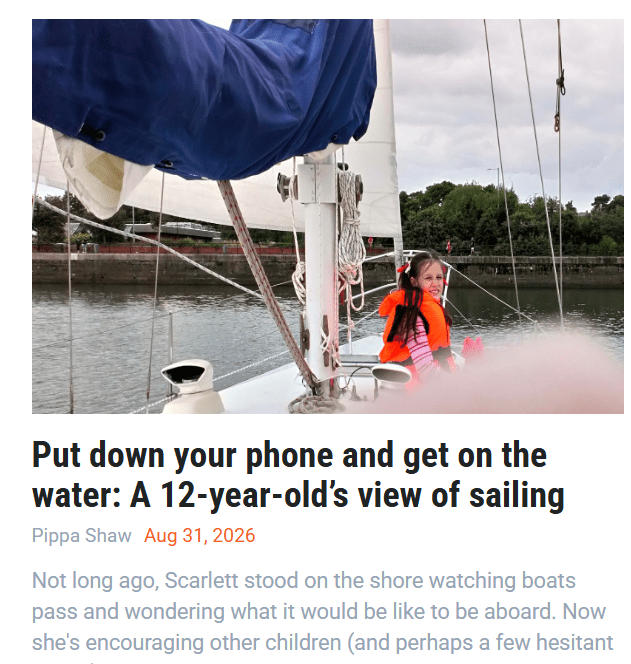
A 12-year-old’s View of Sailing
boats.com
A personal perspective on sailing, shaped around the interviewee’s own experiences and observations. The editing needed to give the piece structure and momentum without losing the spontaneity and individuality of a young sailor’s voice.
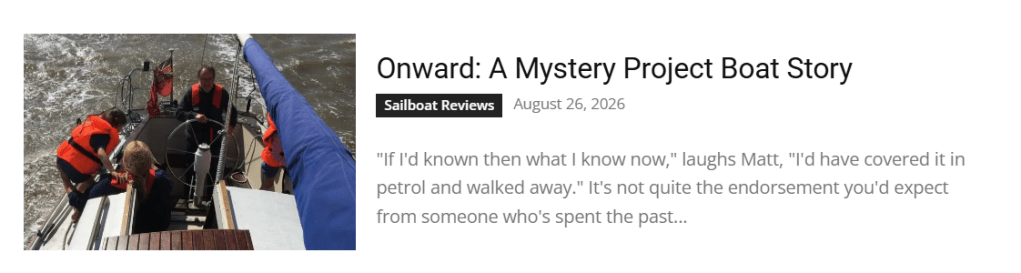
Nicholson 31: A Project Boat Story
Practical Sailor
A detailed project-boat story built around the owner’s experience. The challenge was to retain the practical knowledge and personality within the interview while creating a clear narrative for a specialist sailing audience.
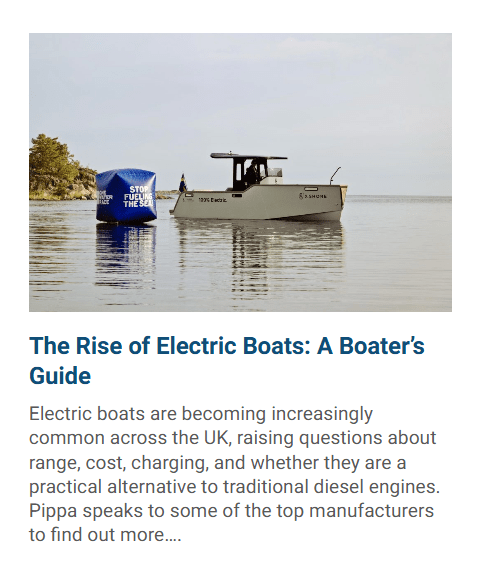
The Rise of Electric Boats
YachtWorld
Several conversations about evolving technology, technical information, competing ideas, and the interviewees’ perspectives became an accessible, authoritative article that gained a lot of traction on social media and was widely shared by industry experts.
The result
The best interview writing shouldn’t make the writer more visible. It should make the interviewee more visible.
My role is to provide the structure, context, and editorial judgement that allows someone else’s expertise and personality to come through clearly — without making them sound like me.
What this demonstrates
Active editorial listening
Identifying the ideas, stories, and turns of phrase that reveal what makes an interviewee interesting.
Voice preservation
Editing for clarity and structure without flattening an individual’s personality or perspective.
Narrative shaping
Turning a conversation into a coherent story rather than simply reproducing the order in which it happened.
Editorial judgement
Knowing when to let the interviewee’s own words lead, and when context or explanation is needed from the writer.