Writing for two brands in the same industry doesn’t mean giving them the same copy with a different logo.
As UK Managing Editor for Boats Group, I write across YachtWorld and boats.com, two established marine platforms with overlapping subject matter but distinctly different audiences and brand positioning.
boats.com is broader, more accessible, and more entry-level. Its content needs to feel useful, welcoming, and achievable, whether the reader is a new boater, an experienced sailor, or simply someone curious about life on the water.
YachtWorld has a more premium, aspirational positioning. Its audience is often looking at higher-value boats, luxury experiences, and more specialist information, so the editorial voice needs to feel more polished, authoritative, and considered.
The challenge is to preserve my own credibility and personality as a writer while making deliberate decisions about what each audience needs to hear, how much context they need, and how the information should feel when they encounter it.
| boats.com | YachtWorld |
|---|---|
| practical | analytical |
| conversational | authoritative |
| accessible | aspirational |
Same subject. Different treatment.
Sustainable boating — boats.com
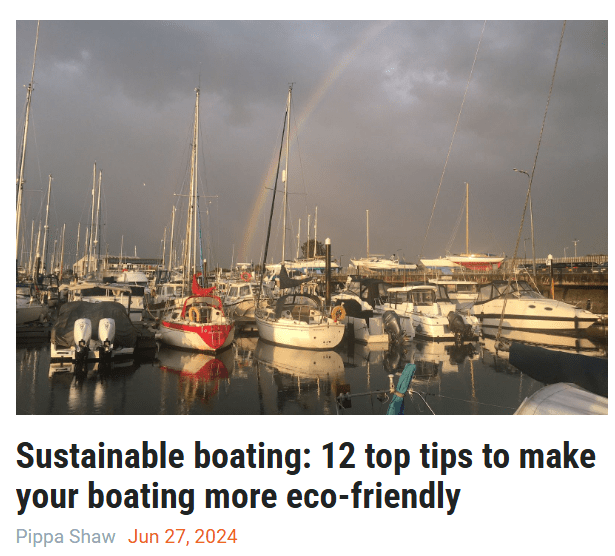
The boats.com version focuses on practical, achievable changes, using a conversational tone and plenty of direct encouragement. The advice feels accessible rather than intimidating, with personal experience and lighter touches that help readers engage with the subject.
Voice: conversational, practical, encouraging, accessible.
Read the full article → https://uk.boats.com/how-to/sustainable-boating-12-top-tips-to-make-your-boating-more-eco-friendly/
Sustainable yachting — YachtWorld
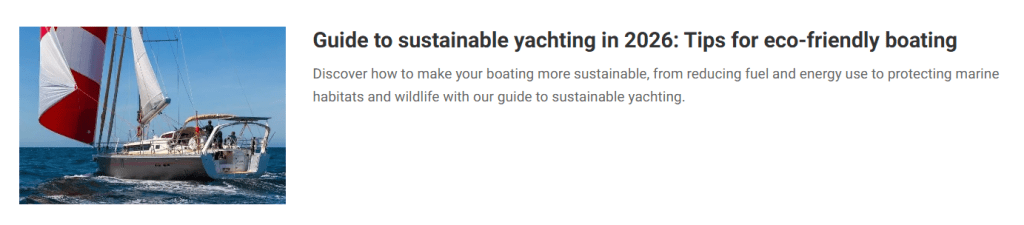
The YachtWorld version takes a broader and more analytical approach, exploring sustainability across the lifecycle of a boat and bringing in technology, regulation, marine ecology, and current guidance.
The subject is still accessible, but the writing assumes a reader who wants more depth and expects a higher level of authority from the publication.
Voice: polished, authoritative, analytical, aspirational.
Read the full article → https://www.yachtworld.co.uk/research/eco-friendly-boating/
The result
The subject matter overlaps. The writing doesn’t.
The differences aren’t just vocabulary or sentence length. They affect the examples I choose, the depth of information I provide, the assumptions I make about the reader, and the way I frame the value of the information.
The goal isn’t to disappear completely as a writer. It’s to retain a recognisable editorial quality while making the piece feel like it belongs to the publication it appears in.
What this demonstrates
Audience awareness
Understanding how audience expectations affect tone, content, depth, and framing.
Brand adaptation
Working within established voices without flattening my own editorial judgement.
Editorial flexibility
Approaching similar subjects in materially different ways rather than simply repackaging the same content.